From Clay to Kiln: A Look Inside Our Ceramic Tableware Production Line
From pugged clay to hand-trimmed, spray-glazed and kiln-loaded — four steps that define the quality behind every piece of our ceramic tableware.
Ever wondered how a lump of clay becomes the ceramic plate or mug on a restaurant table? In this photo series, we walk you through four key stages of our production line.
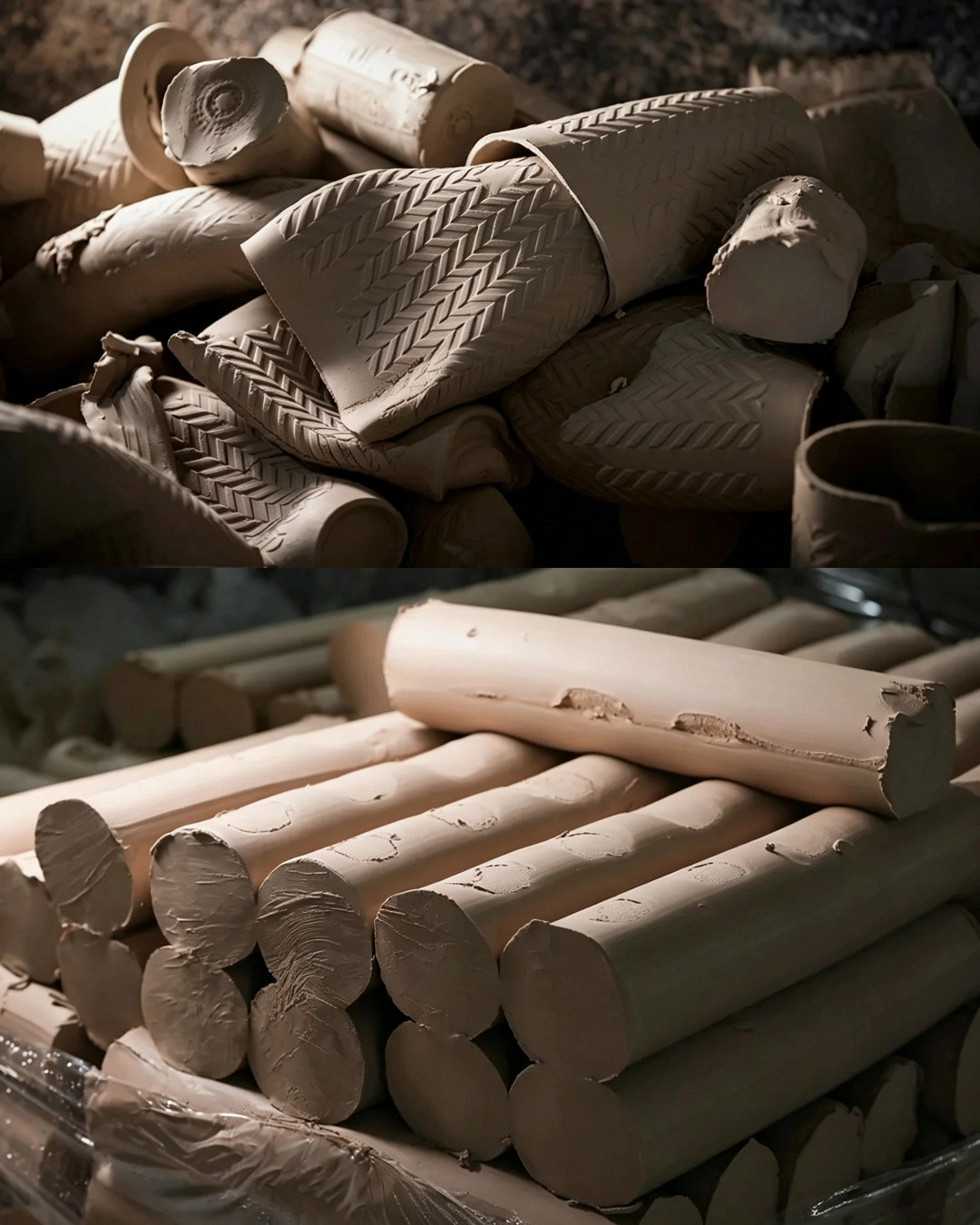
It starts with carefully prepared clay bodies — pugged, wedged and aged to achieve the right plasticity and density. Consistent clay quality is the foundation of every durable piece that follows. Next, our artisans hand-trim each greenware piece, refining the rim, foot ring and body profile with a metal trimming tool. This hands-on fettling stage removes mold marks and ensures clean edges, comfortable weight and precise dimensions before firing.
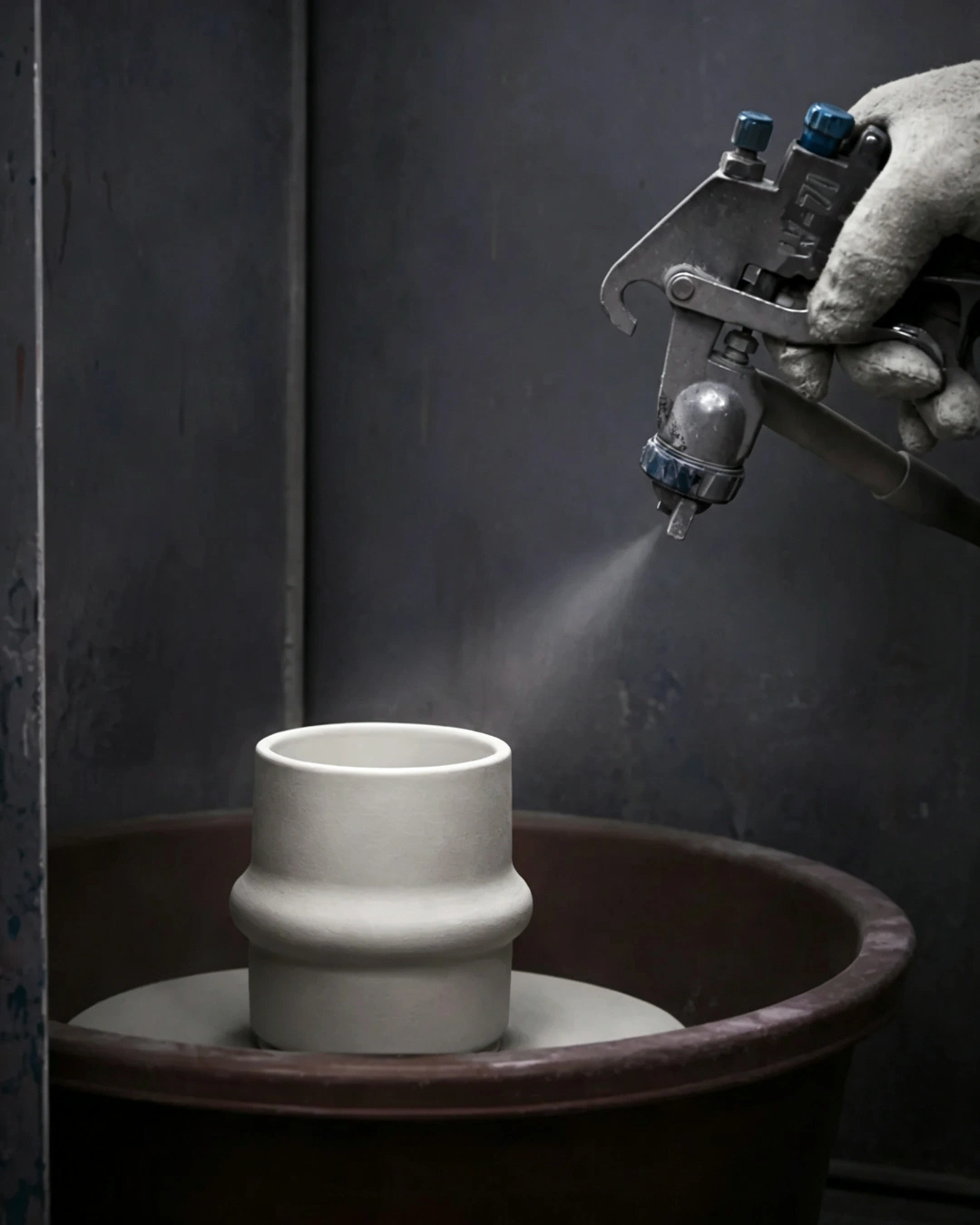
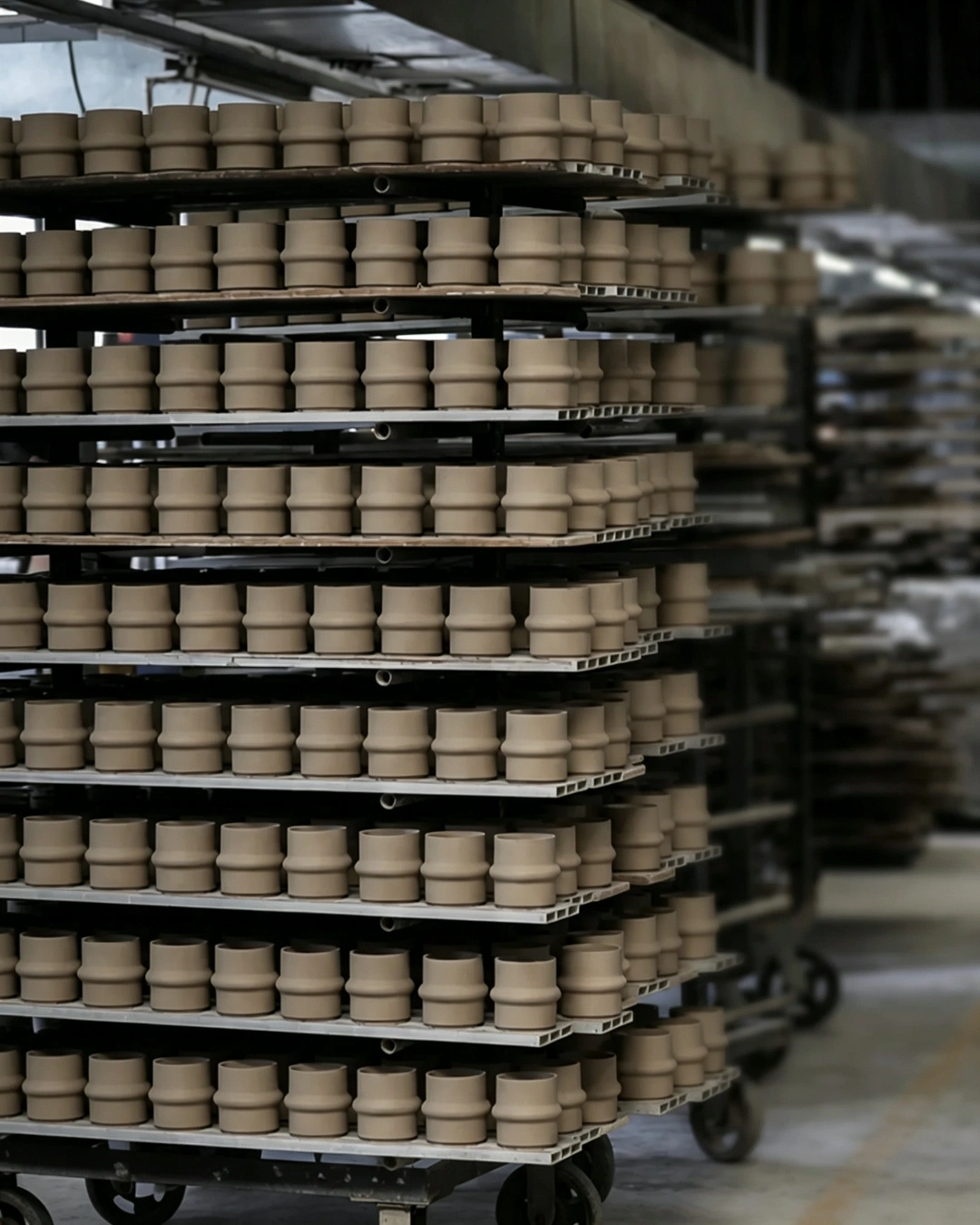
The third step is glazing. In a dedicated spray booth, our team applies food-safe glaze evenly across each piece using spray guns, controlling coat thickness and coverage for a smooth, consistent finish. Finally, glazed pieces are loaded onto kiln cars in neat, stable rows — hundreds of pieces per car — and moved into the kiln for high-temperature firing, where clay and glaze fuse into the durable, non-porous tableware our clients rely on.
This level of process control is what allows us to deliver commercial-grade ceramics at scale, without compromising on hand-finished detail. For wholesale buyers, hospitality procurement teams and retail brands, we welcome factory visits, sample evaluations and custom program discussions. Contact us to learn more.